
 Back
Back
Book a Consultation


November 13, 2025
Triple negative breast cancer (TNBC) is one of several kinds of breast cancer treated every day across Florida. It means your tumor tested negative for three tumor signals usually checked in breast cancer:
In simple terms, your cancer cells do not respond to hormones or HER2 proteins, so your treatment plan will differ from other breast cancers.
This matters because treatments designed to target ER, PR, or HER2 won't be effective for TNBC. Instead, chemotherapy (medications that kill cancer cells) and possibly immunotherapy (treatment boosting your immune system) are primary therapies.
Let's quickly clear up some common misunderstandings:
Because TNBC cells can grow more quickly, timely decisions are key to better outcomes. Next, we’ll walk you through the main treatments typically used for TNBC, and how our team personalizes them.
Our team-based approach creates a coordinated treatment plan based on your stage, tumor features, genetics, and personal goals. Each decision follows current national guidelines, so you receive care that’s safe and evidence-based.
At ACTC, our top center-trained oncologists guide these critical decisions in close collaboration with your local physicians, ensuring continuity and convenience.
Typically, your plan will include surgery, medical treatments like chemotherapy or immunotherapy, and radiation therapy. These treatments may be arranged differently depending on your individual case.
Here’s how each part works:
Surgery aims to remove the cancer completely. You might have either a lumpectomy (removing the tumor and preserving the breast) or a mastectomy (removal of the entire breast), depending on the size, location of your tumor, and your preferences.
Both options provide similar outcomes for early-stage TNBC, particularly when followed by radiation therapy. During surgery, your surgeon typically checks nearby lymph nodes with a sentinel node biopsy—a procedure to see if cancer cells have spread beyond the breast.
If you choose or require a mastectomy, your team will discuss breast reconstruction options and whether it makes sense to do this immediately or wait until after completing other treatments.
Here are simple steps to help prepare for surgery:
Medical oncology for TNBC involves chemotherapy, possibly immunotherapy, and other targeted therapies chosen based on your specific needs.
Many treatment plans start with chemotherapy before surgery (called "before-surgery chemotherapy") to shrink the tumor and check how well the treatment is working. In some cases, immunotherapy may be added to chemotherapy, particularly if the cancer is larger or has spread to lymph nodes.
Immunotherapy helps your immune system recognize and fight cancer cells. For advanced or metastatic TNBC, special tests like PD-L1 can determine if immunotherapy will help.
Our medical oncology team closely manages side effects, ensuring you stay comfortable and on track with treatment timelines. Medicines to control nausea, reduce infection risk, and manage other side effects are part of your care from day one.
Radiation therapy uses targeted energy to eliminate any cancer cells remaining after surgery. If you have a lumpectomy, radiation therapy to the entire breast area afterward is standard to reduce the chance of recurrence.
Today, radiation schedules are often shorter (around 3–4 weeks), making treatment more convenient while equally effective. If you have a mastectomy, radiation therapy might still be recommended, especially if the tumor was large or multiple lymph nodes were involved.
Your radiation oncologist carefully plans treatments to avoid healthy tissue and fit your daily life. Many patients tolerate radiation therapy very well and find it easier than anticipated.
The stage of breast cancer depends on the tumor's size, involvement of lymph nodes, and whether the cancer has spread beyond the breast. Staging guides treatment choices and expectations.
Here’s a table of each stage’s characteristics:
| Stage | Tumor Size | Lymph Nodes | Spread | What It Means | |
| 0 | Very small | None | None | Earliest, non-invasive | |
| I | Small |
|
None | Early, highly treatable | |
| II | Medium |
|
None | More treatment options | |
| III | Larger | Multiple nodes | None | Intensive treatment | |
| IV | Any size | Any involvement | Yes | Advanced disease |
Imaging scans (CT, PET) are used selectively, primarily for higher stages or when symptoms suggest possible spread. For earlier stages, routine extensive scans aren't usually necessary.
Contact your healthcare team promptly if you notice any of these symptoms:
Not all symptoms mean cancer, but early evaluation is important. Reporting concerns quickly helps us guide you promptly toward appropriate tests or care.
Clinical trials help researchers find new ways to fight triple negative breast cancer. By participating, you may gain access to promising new treatments before they're widely available. Current trials explore:
Eligibility criteria vary, and strict safety monitoring ensures your well-being. If interested, ask your oncology team about available trials and whether one fits your circumstances.
Managing treatment appointments, tests, and paperwork can feel overwhelming. That’s why ACTC offers nurse navigators who coordinate appointments, answer your questions, and ensure you know exactly what to expect at every step.
With in-house infusion and imaging services, your care is streamlined, keeping stress and travel time to a minimum.
To prepare smoothly for your first visit:
Whether you've just received a diagnosis or you're looking for a second opinion, our team at ACTC is here to help you understand your options clearly and quickly.
Call 352-345-4565 or book an appointment now.

January 07, 2026
A chemo port is a small device placed under your skin that makes recei...
KNOW MORE

December 24, 2025
It's natural to wonder if testosterone replacement therapy (TRT) is sa...
KNOW MORE
December 24, 2025
A rash that will not calm down is scary, especially when it changes or...
KNOW MORE
December 24, 2025
Florida’s lung cancer burden remains significant and affects many fa...
KNOW MORE

December 24, 2025
A partial hysterectomy, also called a supracervical hysterectomy, is s...
KNOW MORE
December 24, 2025
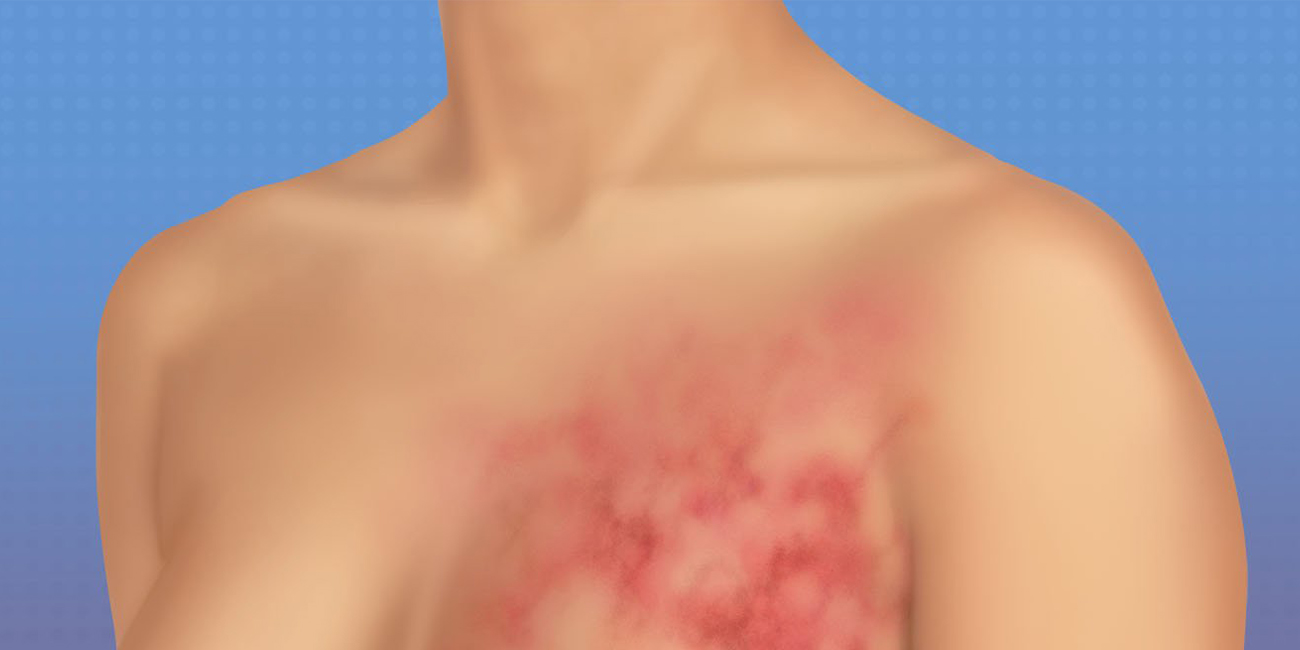
Finding a rash on your breast can be unsettling, but remember, many ra...
KNOW MORE
Subscribe to our newsletter
Social Links


 15211 Cortez Boulevard, Brooksville, Florida 34613