
 Back
Back

Book a Consultation

December 24, 2025
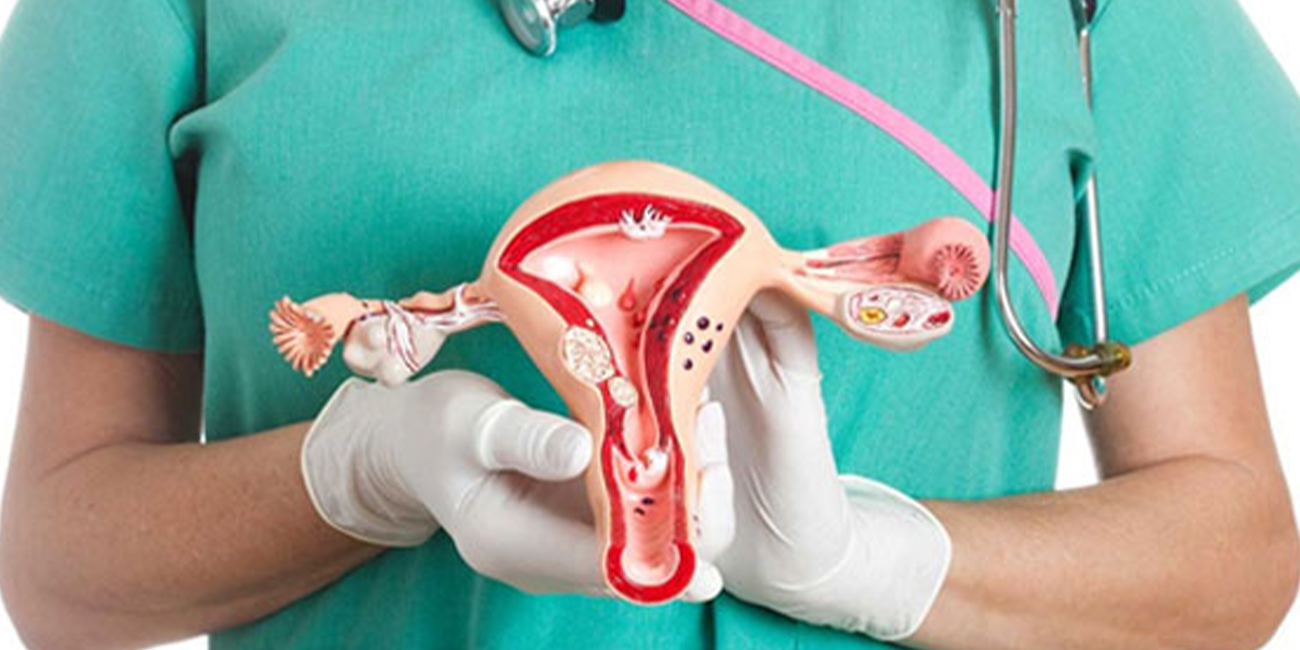
A partial hysterectomy, also called a supracervical hysterectomy, is surgery to remove your uterus while leaving your cervix—the lower part of the uterus—in place.
This is different from a total hysterectomy, where both the uterus and cervix are removed, and a radical hysterectomy, which is a more extensive surgery that also removes surrounding tissues, usually for treating certain cancers.
Although the word "partial" might sound minor, it's still major surgery. Keeping your cervix means you'll likely continue routine cervical cancer screenings, such as Pap tests, as recommended by your healthcare provider.
Decisions about your ovaries and fallopian tubes are separate from this procedure. Depending on your health, age, and personal preferences, your surgeon may discuss keeping or removing these organs during your surgery.
You can discuss the different hysterectomy types with your doctor. They are as follows:
| Type | What is removed | Typical use |
| Partial (supracervical) | Uterus only; cervix stays | Selected benign conditions |
| Total | Uterus and cervix |
Most cancers; many benign cases |
| Radical | Uterus, cervix, upper vagina, nearby tissues, lymph nodes | Certain early-stage cervical cancers |
| With salpingectomy | Fallopian tubes also removed | Often recommended to lower cancer risk |
| With oophorectomy | Ovaries removed | High cancer risk, postmenopausal patients |
| Completion surgery | Removes cervix after prior partial hysterectomy | If unexpected cancer is found |
When possible, surgeons favor minimally invasive approaches, like laparoscopic or robotic-assisted surgery.
These approaches usually mean less pain, fewer complications, and a quicker return to normal life. For example, a laparoscopic supracervical hysterectomy often allows same-day discharge and minimal scarring.
Sometimes, however, an open abdominal surgery is necessary, such as when uterine fibroids are very large or if there's extensive internal scarring from previous surgeries. Your anatomy, diagnosis, and surgeon’s expertise all guide the best approach.
Before your hysterectomy, you’ll also discuss whether to keep or remove your ovaries and fallopian tubes. Many younger patients choose to keep their healthy ovaries to avoid early menopause and maintain hormonal balance.
Even if you keep your ovaries, your surgeon may recommend removing your fallopian tubes (salpingectomy) to reduce the risk of ovarian cancer, without affecting hormonal function.
If your ovaries are removed (oophorectomy), you'll enter immediate menopause if you haven't already. Our team will discuss options to manage associated symptoms such as hot flashes, mood swings, and effects on bone health.
Occasionally, laboratory analysis after surgery may identify unexpected cancer cells or precancerous conditions.
If cancer is found after a partial hysterectomy, your doctors may recommend a completion surgery to remove your cervix and possibly other tissues to ensure no disease remains.
If pathology indicates cancer has spread to surrounding areas or lymph nodes, further treatment like radiation therapy or chemotherapy may be recommended to reduce the chance of recurrence. All decisions follow national guidelines and are individualized to your specific case.
At ACTC, our team carefully considers your unique health situation and life goals when recommending surgery.
Partial hysterectomy is typically suited for those with benign conditions, meaning those without cancer, and an otherwise healthy cervix. These conditions include uterine fibroids, heavy menstrual bleeding, or chronic pelvic pain.
If cancer or precancerous cells are suspected or known, medical guidelines usually recommend removing the cervix to minimize risk. In these cases, a total hysterectomy is generally advised, sometimes along with additional treatments based on the stage and nature of the disease.
Our top-center-trained oncologists collaborate closely and partner locally, ensuring you have advanced expertise and personalized care conveniently close to home.
If your hysterectomy is done through minimally invasive techniques, such as vaginal or laparoscopic surgery, you’ll likely feel ready to return to most daily activities within 2 to 4 weeks. For open abdominal surgeries, recovery usually takes about 6 weeks.
In the early recovery period, you might experience fatigue and mild to moderate discomfort, which generally improves within 1 to 2 weeks.
Heavy lifting, vigorous exercise, and sexual activity are typically limited for about 6 weeks to ensure your body heals properly.
Preparing for your consultation helps ensure you feel confident in your treatment decisions. Gather your medical records, write down questions, and bring a trusted support person if you wish.
A consultation at ACTC will help clarify whether a partial hysterectomy aligns with your diagnosis, goals, and overall health. We’re here to provide clarity, support your decision-making process, and ensure you never feel pressured.
Call 352-345-4565 or book an appointment.


July 17, 2026
Sadness during cancer is human. Depression is a treatable medical cond...
KNOW MORE

July 17, 2026
A clear, week-by-week guide to post-chemo recovery at home. What to ex...
KNOW MORE

July 17, 2026
Radiation can change how your mouth feels and food tastes. Here is wha...
KNOW MORE

January 07, 2026
A chemo port is a small device placed under your skin that makes recei...
KNOW MORE

December 24, 2025
It's natural to wonder if testosterone replacement therapy (TRT) is sa...
KNOW MORE

December 24, 2025
A rash that will not calm down is scary, especially when it changes or...
KNOW MORE
Subscribe to our newsletter
Social Links


 15211 Cortez Boulevard, Brooksville, Florida 34613