
 Back
Back

Book a Consultation

December 24, 2025
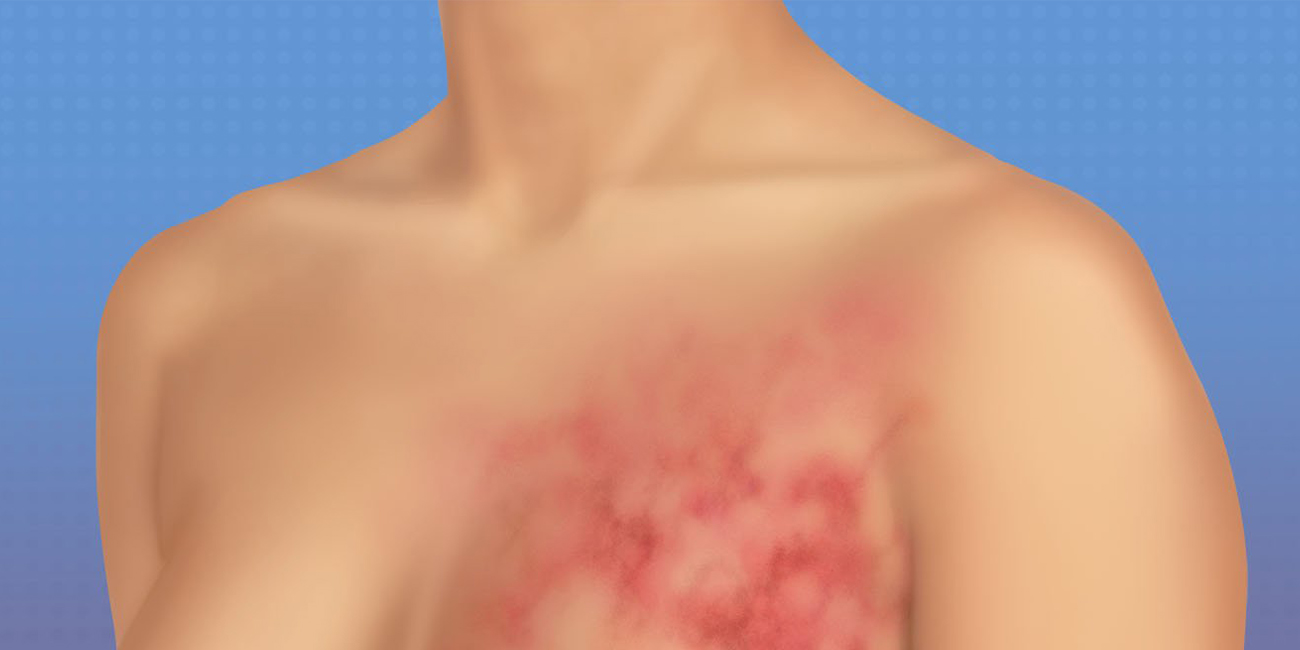
Finding a rash on your breast can be unsettling, but remember, many rashes are not cancer. Still, in Florida, breast cancer affects thousands each year, so it's important to act promptly if you notice persistent skin changes.
A breast cancer rash might look like an infection, with warmth or redness, but unlike infections, cancer-related rashes typically don't improve quickly. Any new rash lasting more than a week or getting worse deserves attention soon.
If you're experiencing breast cancer symptoms, you shouldn't wait for your next regular mammogram. These symptoms trigger special, problem-focused tests right away, and it’s best to get medical guidance immediately.
A breast cancer rash could be caused by inflammatory breast cancer (IBC), Paget's disease, or sometimes, treatments like radiation therapy. Other times, it's simply a skin condition not related to cancer.
The key is knowing when your symptoms need quick medical attention. Inflammatory breast cancer, for example, usually comes on rapidly and causes:
Paget disease appears differently, often causing an eczema-like flaky rash around the nipple that doesn't improve with creams.
It's a myth that redness always means infection or that waiting is safe. Inflammatory breast cancer can spread quickly, so early evaluation is crucial.
Check yourself closely and promptly seek care if you notice these signs:
If these are present, clinicians move quickly to targeted tests.
Many breast rashes are not cancerous, but it's essential to differentiate them quickly. Here's a brief comparison to help:
| Type | Key features | Typical next step |
| Inflammatory breast cancer (IBC) | Rapid redness, swelling, dimpled skin | Imaging; biopsy; urgent oncology referral |
| Paget disease (nipple) | Chronic flaky, itchy nipple rash | Diagnostic mammogram; skin/nipple biopsy |
| Cellulitis/mastitis | Pain, fever, localized warmth | Antibiotics; close follow-up |
| Radiation dermatitis | Redness in area treated by radiation | Topical creams; oncologist review |
| Contact/eczema | Itchy patches, often bilateral | Moisturizers, steroid creams |
| Drug eruption | Rash appearing after new medication | Review medications; supportive care |
When the pattern raises concern, the next step is a focused workup.
If you have breast cancer symptoms, medical teams will prioritize rapid, problem-focused tests instead of waiting for routine screenings. This evaluation typically begins with a clinical exam, followed by special breast imaging.
These targeted tests usually include a diagnostic mammogram (detailed breast X-ray) and ultrasound to closely examine the breast and lymph nodes under the arm.
If doctors suspect inflammatory breast cancer or Paget’s disease, they may also recommend a skin punch biopsy, taking a small skin sample to examine under a microscope.
Even if the biopsy doesn't show cancer, doctors might continue investigating if symptoms strongly suggest inflammatory breast cancer. If imaging isn't clear but suspicion remains high, a breast MRI could also be performed.
At ACTC, we develop treatment plans based on current national guidelines and tailored specifically to your cancer’s biology and personal goals.
Our multidisciplinary team combines expertise in surgery, radiation therapy, and medical oncology to ensure comprehensive care.
Depending on the specifics of your condition, treatment may include:
Your care at ACTC is guided directly by our top-center–trained oncologists, providing you with advanced and personalized treatment options.
For breast symptoms that appear suddenly or worsen quickly, we prioritize rapid evaluation, typically arranging for same-week appointments. Our in-house imaging and infusion services streamline your visits, reducing unnecessary delays.
Breast cancer can affect anyone, regardless of gender or age. Our program provides dedicated care for women and men experiencing breast-related concerns, recognizing that breast cancer in men, while less common, requires the same prompt evaluation and tailored care.
Pregnancy-associated breast issues are handled collaboratively with obstetricians, ensuring coordinated and specialized care.
For older adults, we carefully balance treatment effectiveness with overall health status and quality of life goals.
When you’re ready, call 352-345-4565 or book an appointment.


July 17, 2026
Sadness during cancer is human. Depression is a treatable medical cond...
KNOW MORE

July 17, 2026
A clear, week-by-week guide to post-chemo recovery at home. What to ex...
KNOW MORE

July 17, 2026
Radiation can change how your mouth feels and food tastes. Here is wha...
KNOW MORE
January 07, 2026
A chemo port is a small device placed under your skin that makes recei...
KNOW MORE
December 24, 2025
It's natural to wonder if testosterone replacement therapy (TRT) is sa...
KNOW MORE

December 24, 2025
A rash that will not calm down is scary, especially when it changes or...
KNOW MORE
Subscribe to our newsletter
Social Links


 15211 Cortez Boulevard, Brooksville, Florida 34613