

Book a Consultation
Liver cancer occurs when liver cells change abnormally and grow too quickly, forming a cancerous growth or tumor. Sometimes this happens due to genetic factors, but in most cases, there is no clear hereditary link.
Early-stage liver cancer often has no symptoms, making it hard to detect without screening or medical tests. This is why doctors rely heavily on careful testing to make a diagnosis.
The liver can develop several different types of cancer, each starting in specific cells or areas of the liver. Symptoms vary and may be absent in the early stages of all these types.
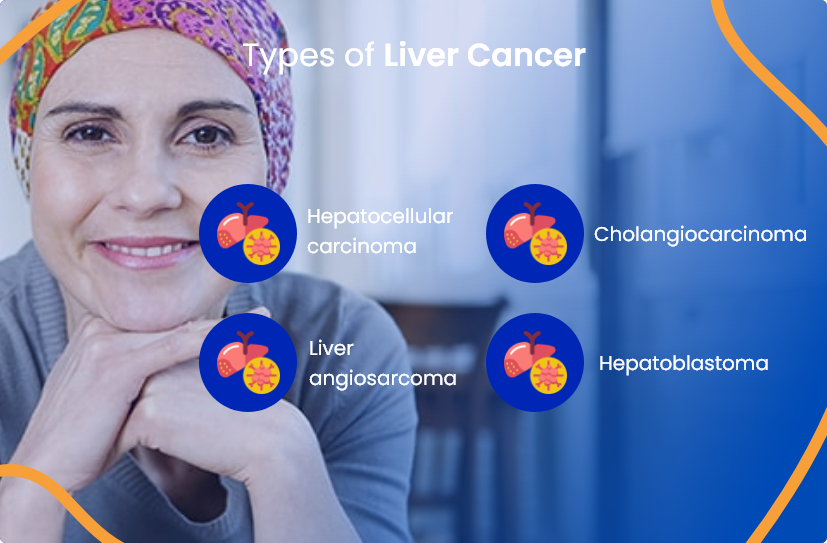
Hepatocellular carcinoma (HCC): This is the most common type, starting in the main liver cells. People with long-term hepatitis infections are at higher risk of developing this cancer.
Cholangiocarcinoma: This cancer occurs in the bile ducts, the small tubes that carry bile to the gallbladder and intestines. It’s also called bile duct cancer.
Liver angiosarcoma: Angiosarcoma is a rare cancer that develops in the liver’s blood vessels. It’s uncommon but serious due to rapid growth.
Hepatoblastoma: This extremely rare cancer mostly affects young children under the age of three. Chemotherapy can be effective in treating it.
Because early liver cancer usually doesn't show symptoms, many people don't know something is wrong until the cancer advances.
Common signs you might notice include:
Nausea and vomiting
Loss of appetite
Discomfort in the upper abdomen
Unexpected weight loss
Fever
These symptoms can also be linked to other health conditions, so it's important to see your doctor promptly if they appear. Doctors rely on tests to confirm liver cancer.
To determine if you have liver cancer, doctors first review your medical history and perform a physical examination. If you have a history of heavy alcohol use or hepatitis, your risk for liver cancer is higher.
Doctors can diagnose liver cancer using different biopsy methods. Needle biopsy is common, using a thin needle to take a sample from the liver.
A laparoscopic biopsy involves a small incision and a camera to guide tissue removal. A surgical biopsy removes tissue during open surgery.
Doctors may also check your blood for alpha-fetoprotein (AFP). High AFP levels can indicate liver cancer, although it’s not always definitive.
Ultrasound, CT, and MRI scans provide detailed images of your liver, helping doctors see tumor location and size. These images guide decisions about possible treatments.
When liver cancer is diagnosed, doctors select treatments based on several key factors, including the number and size of tumors, how well your liver is working, and whether the cancer has spread.
Common treatments include:
Choosing the right treatment involves careful consideration between you and your doctor, tailored specifically to your condition.
ACTC’s cancer care team in Florida combines clinical expertise with a commitment to compassionate care. Your treatment plan will be tailored to your specific diagnosis, supported by national guidelines and a dedicated care team.
We understand the challenges that come with a cancer diagnosis. That’s why we focus not only on effective treatment but also on making sure you feel informed, supported, and cared for throughout your experience.
The following are our providers whom you can consult at ACTC:

MD, Hematology & Oncology

MD, Radiation Oncologist
At ACTC in Florida, our cancer specialists are backed up by qualified clinical staff with over two decades of experience. We guide you through diagnosis, staging, treatment, and long-term follow-up in one convenient location.
Call 352-345-4565 or book an appointment.

If you or your family member has been diagnosed with liver cancer, an internet search for a liver cancer doctor in and around Brooksville may not be the best thing to do. A comprehensive discussion with your diagnosing physician would help you understand your condition better. Your pcp may then refer you to an advanced cancer treatment center like ACTC in Florida.
As one of Florida’s leading liver cancer centers, we understand how diagnosis and the treatment of cancer impact the emotional and physical state of the patient’s mind. As a result, we work hard to ensure patients and families are secure. At ACTC, we seek to provide complete treatment for all types of liver cancer including screening, diagnosis, staging, treatment, and long-term follow-up, all in one location.
Schedule a consultation by calling
 352-345-4565
Liver cancer is most commonly diagnosed in people aged 65–74 Other key risk factors include chronic hepatitis infection, heavy alcohol use, and certain hereditary conditions.
An ultrasound can help detect possible liver tumors or signs of cirrhosis. However, ultrasound alone usually isn't enough to confirm liver cancer; doctors typically require additional imaging scans (such as CT or MRI) and sometimes biopsy to make an accurate diagnosis.
Chronic infection with hepatitis B or hepatitis C virus is the leading cause of liver cancer, often by causing cirrhosis (scarring) of the liver over many years. Other major risk factors include prolonged heavy alcohol use, fatty liver disease, and certain inherited liver conditions.
Schedule a consultation by calling
352-345-4565
Subscribe to our newsletter
Social Links


 15211 Cortez Boulevard, Brooksville, Florida 34613