
 Back
Back
Book a Consultation

December 16, 2025
If you're worried that an itchy or stubborn rash could be cancer, you're not alone—many Floridians share your concern, especially with our region’s high UV exposure.
Most skin rashes are harmless, caused by everyday irritants or allergies, but Florida's intense sunlight does raise the risk for some skin cancers and related skin issues.
To ease your mind, here’s what you should do now:
Now that you know why prompt evaluation matters in our sunny state, let's clarify exactly what a "cancer skin rash" could mean.
A "cancer skin rash" isn't just one condition. It could refer to a rash directly from skin cancer itself, from another type of cancer affecting your skin, or even as a reaction to cancer treatments.
Skin cancers such as basal cell carcinoma or melanoma can initially appear as stubborn patches or sores. Meanwhile, certain cancers, like lymphomas, can cause rashes across your body. Additionally, some cancer treatments themselves may lead to skin reactions.
It's important to separate myths from facts:
|
Myth |
Fact |
|
All itchy rashes are allergies or bug bites. |
A persistent, painless rash can sometimes be a sign of cancer or treatment reaction. |
|
Only raised moles can become cancerous. |
Even flat, scaly, or bleeding spots could signal skin cancer and should be checked. |
Many mild rashes may resolve on their own in a few days. But if your rash is worsening, won’t heal, or is accompanied by other concerning signs, don't delay—a quick evaluation can offer reassurance or clarity.
While most skin changes aren't cancer, certain red flags should prompt swift action. If you notice any of the following, consider an urgent skin check:
When in doubt, clear photos can help our team evaluate urgency, but don’t wait if your symptoms are severe. It's better to seek care promptly.
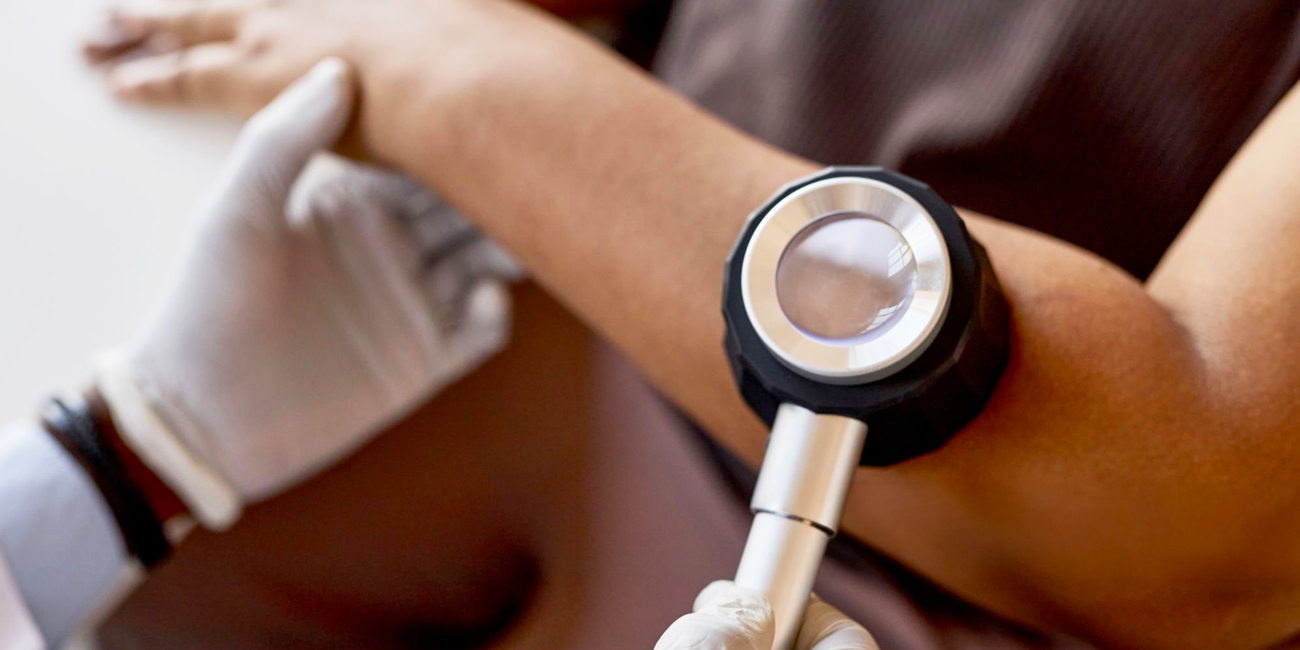
Evaluating your rash typically starts with a thorough skin examination by our trained specialists. We'll carefully inspect the rash and surrounding areas, using a specialized magnifying tool called a dermatoscope to see subtle details.
Sometimes, we'll take a small skin sample (biopsy) to identify precisely what type of rash you're experiencing. Conditions like cutaneous lymphoma (a type of lymphoma that affects the skin), Paget's disease (affecting breast or genital skin), or leukemia affecting your skin require biopsy confirmation.
In certain cases, additional tests, such as imaging (e.g., mammograms) for breast-related issues or blood tests if leukemia is suspected, might be part of your personalized evaluation plan.
Your treatment approach depends entirely on your diagnosis. At ACTC, personalized care means you'll have access to top-center-trained oncologists who collaborate closely to address your specific needs:
Our team knows how important quick answers are when you're worried about a potential cancer skin rash.
We welcome second opinions and work seamlessly alongside your local doctors for continuous, coordinated care.
If you're concerned about a stubborn or unusual rash, requesting a consultation is easy. Our compassionate staff is ready to answer your questions and schedule your evaluation promptly. Just call 352-345-4565 or book an appointment.

January 07, 2026
A chemo port is a small device placed under your skin that makes recei...
KNOW MORE
December 24, 2025
It's natural to wonder if testosterone replacement therapy (TRT) is sa...
KNOW MORE
December 24, 2025
A rash that will not calm down is scary, especially when it changes or...
KNOW MORE
December 24, 2025
Florida’s lung cancer burden remains significant and affects many fa...
KNOW MORE
December 24, 2025
A partial hysterectomy, also called a supracervical hysterectomy, is s...
KNOW MORE
December 24, 2025
Finding a rash on your breast can be unsettling, but remember, many ra...
KNOW MORE
Subscribe to our newsletter
Social Links


 15211 Cortez Boulevard, Brooksville, Florida 34613