
 Back
Back
Book a Consultation

December 16, 2025
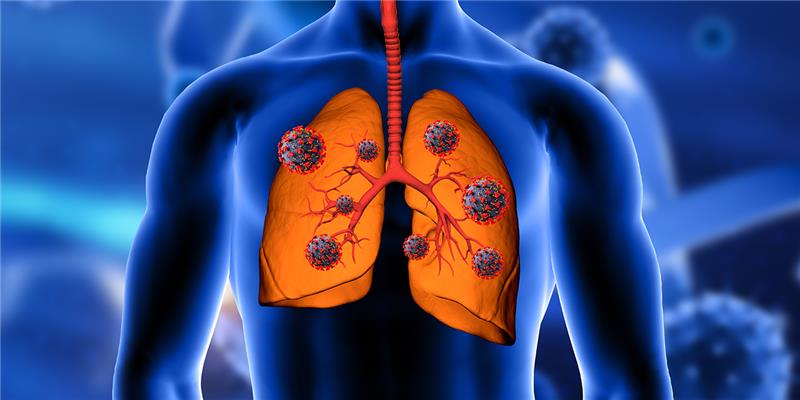
Hearing that your CT scan shows a spot on your lung can be unsettling. Many nodules are not cancer, but knowing exactly what you're dealing with and the next steps to take is essential.
In many screening and imaging programs, roughly one in four CT scans may reveal a nodule, but only a small fraction of these turn out to be cancer. Understanding the basics today can help ease your anxiety, clarify next steps, and ensure timely care close to home.
A lung nodule is simply a small, round spot visible on a CT scan. Most nodules are harmless—often caused by old infections or scarring—but some may require more careful monitoring or further tests like a biopsy.
It’s easy to jump to conclusions, but not every nodule means cancer, and not every nodule requires surgery.
Knowing what type of nodule you have guides decisions about daily activities, travel plans, and even work commitments, giving you greater peace of mind.
Here are the basics of the different types of nodules:
| Type |
|
Typical Next Step | |
| Solid | Dense, clearly defined spot | Follow-up based on size or biopsy | |
| Subsolid (ground-glass) | Hazy area on imaging | Repeat CT scan to watch for changes | |
| Part-solid | Mixed solid and hazy appearance | Closer monitoring; possible PET scan or CT surveillance | |
| Calcified benign pattern | Usually an old healed infection | Generally reassurance; routine care | |
| Not containing calcium, ≥8 mm | Higher chance of cancer | PET-CT scan and tissue diagnosis | |
| Multiple nodules | May be benign or malignant | Assess risk; structured follow-up |
Most lung nodules cause no noticeable symptoms and are discovered incidentally. However, call your doctor immediately if you experience:
These symptoms don’t automatically mean cancer, but they do need prompt evaluation. Urgent care is necessary if you suddenly have severe breathing trouble.
Most lung nodules occur in adults, with risks increasing over age 60 and with a history of smoking. Patients who have COPD, prior cancers, or weakened immune systems also require special attention.
Pediatric nodules are rare; if found, we quickly coordinate care with appropriate pediatric specialists.
We tailor our approach to your health history, ensuring all risk factors are thoughtfully considered.
The size and type of your nodule, along with your health history, determine the next step.
PET scans aren't helpful for very small nodules (below 8 mm), because these nodules typically have too little metabolic activity to appear clearly on PET scans.
Your doctor might also use specialized risk calculators (like Brock or Mayo models) to estimate how likely a nodule is to be cancer, guiding you through the safest, least invasive approach.
If further tests do confirm cancer, rest assured: effective, local-focused treatment options are available.
Care works best when support is organized around you, making your journey simpler and more comfortable. At ACTC, treatment is always delivered by top-center-trained oncologists who coordinate your care close to home, limiting unnecessary travel.
If your nodule turns out to be cancer, our team customizes treatment based on the size, location, and characteristics of the tumor, as well as your personal health and preferences.
Facing uncertainty about a lung nodule can be challenging, but you won’t face it alone. Our nurse navigators coordinate every step, ensuring you and your caregivers are supported with clear information, survivorship planning, and helpful resources.
Practical tips make appointments smoother: bring your reports and imaging discs; referrals are accepted if you come from another provider; and virtual follow-ups are available to minimize extra trips.
Financial navigators will clarify insurance approvals and answer timing questions. Our in-house imaging and infusion services also help reduce extra visits, reflecting our attentive, steady support designed around your comfort and convenience.
Our clinics near Brooksville offer easy access, eliminating unnecessary travel and keeping world-class care local. Call 352-345-4565 or book an appointment.

January 07, 2026
A chemo port is a small device placed under your skin that makes recei...
KNOW MORE
December 24, 2025
It's natural to wonder if testosterone replacement therapy (TRT) is sa...
KNOW MORE
December 24, 2025
A rash that will not calm down is scary, especially when it changes or...
KNOW MORE
December 24, 2025
Florida’s lung cancer burden remains significant and affects many fa...
KNOW MORE
December 24, 2025
A partial hysterectomy, also called a supracervical hysterectomy, is s...
KNOW MORE
December 24, 2025
Finding a rash on your breast can be unsettling, but remember, many ra...
KNOW MORE
Subscribe to our newsletter
Social Links


 15211 Cortez Boulevard, Brooksville, Florida 34613