
 Back
Back
Book a Consultation

March 26, 2026
Sunscreen is the first thing that comes to mind when people think about protecting their skin from cancer. While using a good sunscreen daily is important for reducing skin damage, there are a few additional ways to support your skin’s health and reduce your UV exposure.
This article explores those lesser-known prevention tools—what they can and can’t do—and how to talk with your care team before adding anything new to your routine.
Overexposure to ultraviolet (UV) rays, including UVA and UVB, can damage skin and increase your risk of developing skin cancer. These rays come from the sun and from tanning devices.
You can reduce your UV exposure with smart, everyday steps:
Sun safety is the foundation. From there, we can explore what diet and supplements may (or may not) add.
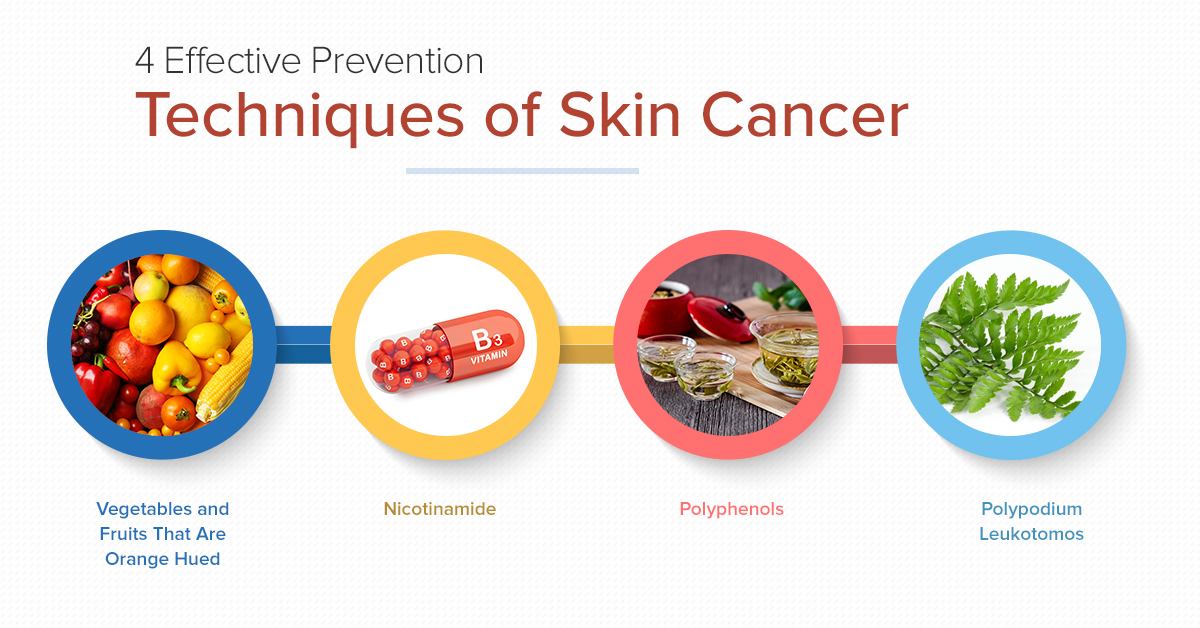
Some nutrients and compounds may help support your skin’s response to UV damage, but they’re not substitutes for sunscreen. Here are four commonly discussed options:
If you’re considering supplements, talk with your care team to ensure they’re safe for you and used appropriately.
Limiting alcohol intake is another step you can take to support overall cancer risk reduction. Alcohol use has been linked to a higher risk of developing several types of cancer, and some evidence suggests it may also be associated with a modestly higher risk of melanoma (a type of skin cancer).
Instead of focusing on daily drink limits, consider asking your clinician what limiting alcohol looks like for your specific health situation.


July 17, 2026
Sadness during cancer is human. Depression is a treatable medical cond...
KNOW MORE

July 17, 2026
A clear, week-by-week guide to post-chemo recovery at home. What to ex...
KNOW MORE

July 17, 2026
Radiation can change how your mouth feels and food tastes. Here is wha...
KNOW MORE
January 07, 2026
A chemo port is a small device placed under your skin that makes recei...
KNOW MORE

December 24, 2025
It's natural to wonder if testosterone replacement therapy (TRT) is sa...
KNOW MORE

December 24, 2025
A rash that will not calm down is scary, especially when it changes or...
KNOW MORE
Subscribe to our newsletter
Social Links


 15211 Cortez Boulevard, Brooksville, Florida 34613