
 Back
Back

Book a Consultation

March 25, 2021
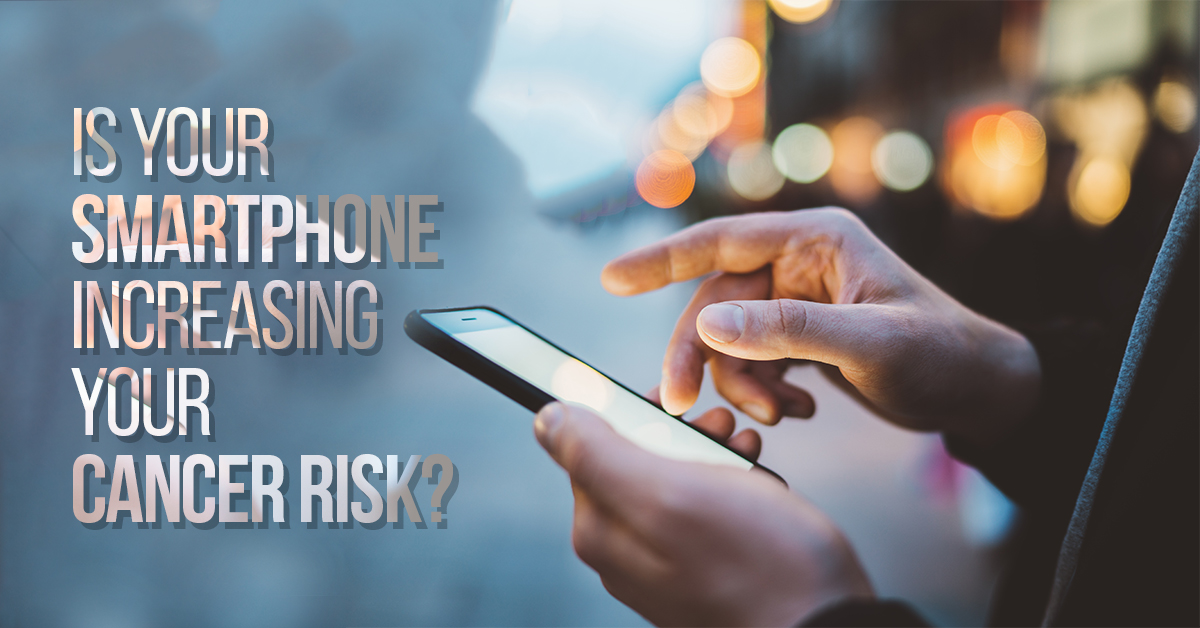
Radiations emitted by your smartphone may cause terrible health effects if you fail to limit your exposure. Read further to get more information about this startling conclusion drawn by the NTP.
The findings of a massive 30-million-dollar study conducted by NTP (National Toxicology Program,) that aimed at unearthing a link between prolonged cell phone usage and the risk of tumor formation, were made public recently. These outcomes were enough to create panic among users across the country, and for a good reason too. As part of the study, test rodents were exposed to varying levels of RFR or Radio Frequency Radiations for 9 hours every day for 2 years. As a result of such extended exposure, the following three trends came to light:
While scientists are yet to prove the veracity of these findings in the context of human beings, it does not hurt to practice a few precautionary measures that may help regulate your RFR exposure. Here are some of them:
The revelations made by NTP serve as an early warning especially for all those who are always glued to their cell phone screens and feel like fish-out-of-water when their phones are not available. Reducing your screen time, and that of your children, can not only help reduce the risk of cancer but also give you the time and the energy to give attention to many other healthier and more creative pursuits.
For more information on various types of cancers and their treatments, please visit our website – https://www.actchealth.com/


July 17, 2026
Sadness during cancer is human. Depression is a treatable medical cond...
KNOW MORE

July 17, 2026
A clear, week-by-week guide to post-chemo recovery at home. What to ex...
KNOW MORE

July 17, 2026
Radiation can change how your mouth feels and food tastes. Here is wha...
KNOW MORE

January 07, 2026
A chemo port is a small device placed under your skin that makes recei...
KNOW MORE

December 24, 2025
It's natural to wonder if testosterone replacement therapy (TRT) is sa...
KNOW MORE
December 24, 2025
A rash that will not calm down is scary, especially when it changes or...
KNOW MORE
Subscribe to our newsletter
Social Links


 15211 Cortez Boulevard, Brooksville, Florida 34613