
 Back
Back

Book a Consultation

April 22, 2026
You may have heard claims that eating an “alkaline diet” can lower your risk of cancer. However, research has not shown that changing your diet to make your body more alkaline reduces cancer risk.
While some aspects of the diet (such as increased fruit and vegetable intake) align with healthy eating, there is no scientific evidence that an alkaline diet prevents cancer.
In this article, we explain what alkaline diets are, how the body regulates pH, and what evidence indicates about cancer and diet.
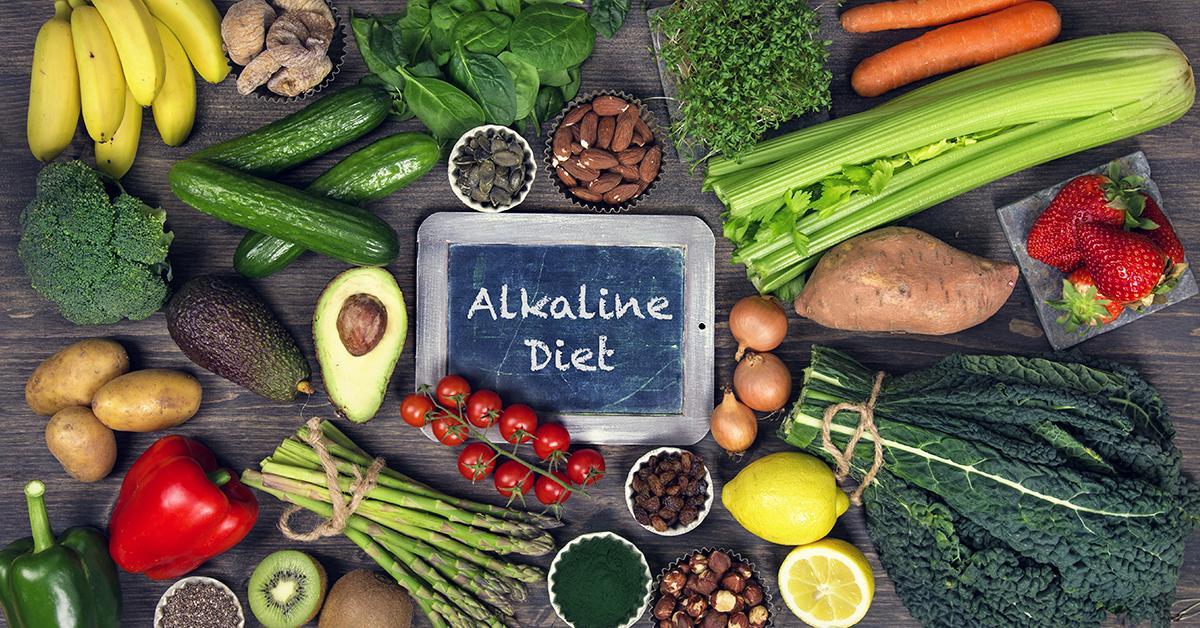
An alkaline diet is an eating approach that encourages foods believed to be “alkaline-forming” (such as many fruits and vegetables) and reduces foods thought to be “acid-forming” (like some grains, dairy, and animal proteins). Proponents often describe this as a way to “balance” the body’s pH and claim it may reduce cancer risk.
These are common alkaline diet themes:
Although these ideas are widely shared online, the notion that diet can alter overall body pH or reduce cancer risk has not been demonstrated in humans.
Your body carefully regulates a measure called pH, which reflects how acidic or alkaline a fluid is. Keeping blood pH within a narrow range is essential for normal function.
Your body uses several systems to maintain this balance:
These systems operate automatically, so food choices do not meaningfully alter your blood pH.
If you’re interested in measuring your pH for medical reasons, the most accurate method is a blood test done by a healthcare provider.
Tests of urine or saliva show the pH of those fluids only—they do not indicate your blood pH or overall body acidity.
It’s true that certain foods can change the pH of your urine or saliva, and home pH test strips can show those changes. But these tests do not reflect the pH of your blood or your whole body.
Here are what home pH checks can and can’t tell you:
Diet cannot reliably make the blood more alkaline, and no high-quality clinical evidence has shown that altering urine or saliva pH improves cancer outcomes.
Some laboratory experiments (done in test tubes or dishes) show that cancer cells behave differently in acidic versus alkaline environments. However, results in the laboratory do not necessarily mean the same occurs in people eating specific foods.
Importantly, studies in humans have not shown that an alkaline diet prevents cancer. There is no strong evidence that eating this way affects cancer outcomes in people.
Some parts of the alkaline diet align with generally healthy eating, especially eating more vegetables and whole foods. At the same time, overly restrictive versions that exclude entire food groups can make it harder to get all the nutrients your body needs.
If you are thinking about trying this diet:
Balanced nutrition is important for overall health and can support your well-being, but it's not a guaranteed way to prevent cancer.
No scientific studies have shown that an alkaline diet prevents cancer. Components of the diet, such as eating more fruits, vegetables, and fiber, can support healthy eating patterns. However, this does not change your body's blood pH in a way that has been proven to reduce cancer risk.
Focus on balanced nutrition and discuss any diet changes with a healthcare professional. If you need more guidance on cancer care, call 352-345-4565 or book an appointment with our specialists at ACTC.


July 17, 2026
Sadness during cancer is human. Depression is a treatable medical cond...
KNOW MORE

July 17, 2026
A clear, week-by-week guide to post-chemo recovery at home. What to ex...
KNOW MORE

July 17, 2026
Radiation can change how your mouth feels and food tastes. Here is wha...
KNOW MORE

January 07, 2026
A chemo port is a small device placed under your skin that makes recei...
KNOW MORE

December 24, 2025
It's natural to wonder if testosterone replacement therapy (TRT) is sa...
KNOW MORE

December 24, 2025
A rash that will not calm down is scary, especially when it changes or...
KNOW MORE
Subscribe to our newsletter
Social Links


 15211 Cortez Boulevard, Brooksville, Florida 34613