
 Back
Back

Book a Consultation

March 26, 2026
Many people start their day with a hot cup of tea, coffee, or cocoa. But does the temperature of your morning beverage matter when it comes to health?
Experts have found that regularly drinking liquids that are extremely hot (especially those above about 149 °F) may increase your risk of developing esophageal cancer. The concern isn’t the type of drink, but the heat itself. Fortunately, there are simple ways to lower your risk without giving up your favorite beverages.
Very hot liquids may damage the lining of your esophagus (the tube that connects your mouth to your stomach) over time. This kind of repeated heat exposure is believed to contribute to an increased cancer risk.
Studies have suggested that drinks above about 149 °F may irritate or harm the esophagus lining. While more research is needed to fully understand how this leads to cancer, the evidence supports being cautious with beverage temperatures.
You don’t need to give up your morning routine—just take a few simple steps to stay safer:
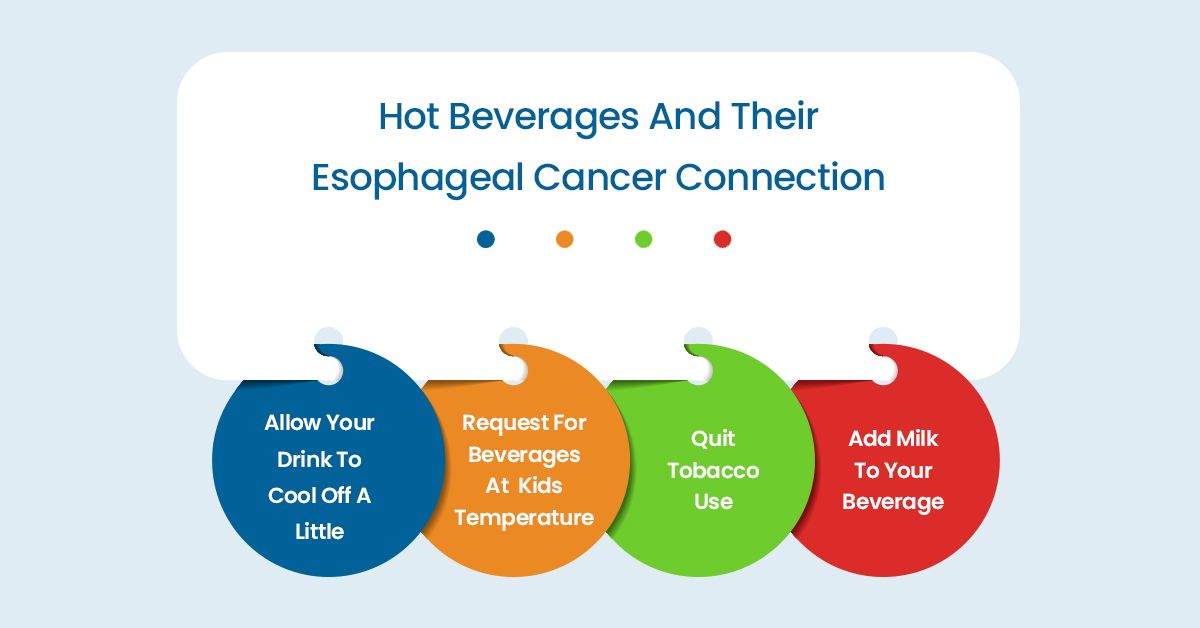
1. Let hot drinks cool slightly before sipping.
2. Add milk to tea or coffee to reduce heat.
3. Ask if a lower-temperature option is available.
4. Wait a minute or two before drinking and sip only once it’s warm, not scalding.
These habits can help protect your esophagus while letting you enjoy your daily cup.
Tobacco and alcohol are both major risk factors for esophageal cancer. When combined with frequent consumption of very hot drinks, the risk may increase further.
Quitting smoking and reducing alcohol use are two of the most powerful steps you can take to lower your cancer risk. If you're unsure where to start, a healthcare provider can offer support and guidance.
Simple changes can make a meaningful difference. If you have questions about cancer risk or prevention strategies, reliable information and support are available. Call 352-345-4565 or book an appointment with ACTC.


July 17, 2026
Sadness during cancer is human. Depression is a treatable medical cond...
KNOW MORE

July 17, 2026
A clear, week-by-week guide to post-chemo recovery at home. What to ex...
KNOW MORE

July 17, 2026
Radiation can change how your mouth feels and food tastes. Here is wha...
KNOW MORE
January 07, 2026
A chemo port is a small device placed under your skin that makes recei...
KNOW MORE

December 24, 2025
It's natural to wonder if testosterone replacement therapy (TRT) is sa...
KNOW MORE

December 24, 2025
A rash that will not calm down is scary, especially when it changes or...
KNOW MORE
Subscribe to our newsletter
Social Links


 15211 Cortez Boulevard, Brooksville, Florida 34613