
 Back
Back
Book a Consultation

April 22, 2026
If your mammogram report mentions "dense breast tissue," you are not alone. About half of women over 40 have some degree of breast density.
Finding that phrase in your results can be confusing, especially if no one has explained what it means for your health. At ACTC in Brooksville, our oncology team regularly sees patients with this concern, and we want you to have clear, practical answers.
Breast density describes the ratio of fibrous and glandular tissue to fatty tissue in your breasts. If you have more fibrous and glandular tissue than fat, your breasts are considered dense. This is a normal physical trait, not a disease.
You cannot determine your breast density by how your breasts look or feel. Density is measured by mammogram, and your radiologist assigns a category from A (almost entirely fatty) to D (extremely dense). Categories C and D are considered "dense."
Dense breast tissue matters for two reasons. First, women with dense breasts face a higher risk of developing breast cancer compared to women with fattier breast tissue.
Second, both dense tissue and tumors appear white on a standard mammogram. That overlap can make small cancers harder for a radiologist to detect on the image.
If you have been told your breasts are dense, that does not mean you have cancer or will develop cancer. It means you and your doctor should talk about whether your screening plan needs to be adjusted.
At ACTC, our medical oncology and radiation oncology teams work together to help patients understand their personal risk factors, including breast density. If your mammogram shows dense tissue, your physician may talk with you about whether supplemental imaging, such as breast ultrasound or breast MRI, makes sense based on your overall breast cancer risk and screening history.
Because all of our services are located in one facility on Cortez Boulevard in Brooksville, coordination among your oncologist, imaging, and treatment team happens without delays.
If a concern is found during screening, you can see one of our oncologists quickly. We offer same-day consultations when the situation calls for it, with treatment timelines limited only by insurance approval.
When breast cancer is detected, our team builds a plan that may include:
Radiation therapy at ACTC is delivered using the Varian VitalBeam system, which treats breast tumors with sub-millimeter precision while limiting exposure to surrounding healthy tissue. Chemotherapy and other infusion therapies are administered in our on-site infusion suite, steps away from your oncologist's office.
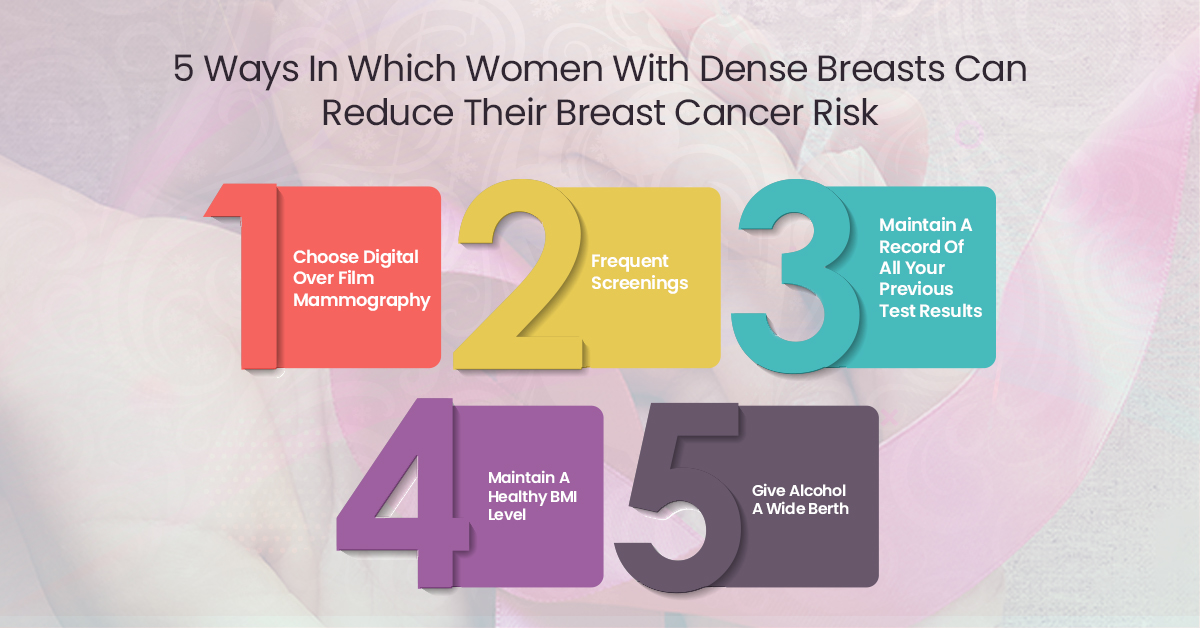
You cannot change your breast density. But there are steps you can take to reduce your overall breast cancer risk, and they matter more when density is part of the picture.
Talk to your doctor about whether these options make sense for your situation.
If you are unsure about your breast density category or what your screening results mean, our team at ACTC is here to walk you through it. Our nurse navigators help coordinate imaging, specialist referrals, and follow-up appointments so you are not left managing the process on your own.
For patients in Spring Hill, Weeki Wachee, and surrounding Hernando County communities, our Brooksville facility is close to home.
Your breast density is one piece of your overall risk profile. Understanding it puts you in a better position to make informed decisions about your care. Talk to your doctor about a screening plan that accounts for your full picture.
Schedule a consultation with our team, or call us at 352-345-4565.


July 17, 2026
Sadness during cancer is human. Depression is a treatable medical cond...
KNOW MORE

July 17, 2026
A clear, week-by-week guide to post-chemo recovery at home. What to ex...
KNOW MORE

July 17, 2026
Radiation can change how your mouth feels and food tastes. Here is wha...
KNOW MORE
January 07, 2026
A chemo port is a small device placed under your skin that makes recei...
KNOW MORE
December 24, 2025
It's natural to wonder if testosterone replacement therapy (TRT) is sa...
KNOW MORE

December 24, 2025
A rash that will not calm down is scary, especially when it changes or...
KNOW MORE
Subscribe to our newsletter
Social Links


 15211 Cortez Boulevard, Brooksville, Florida 34613